
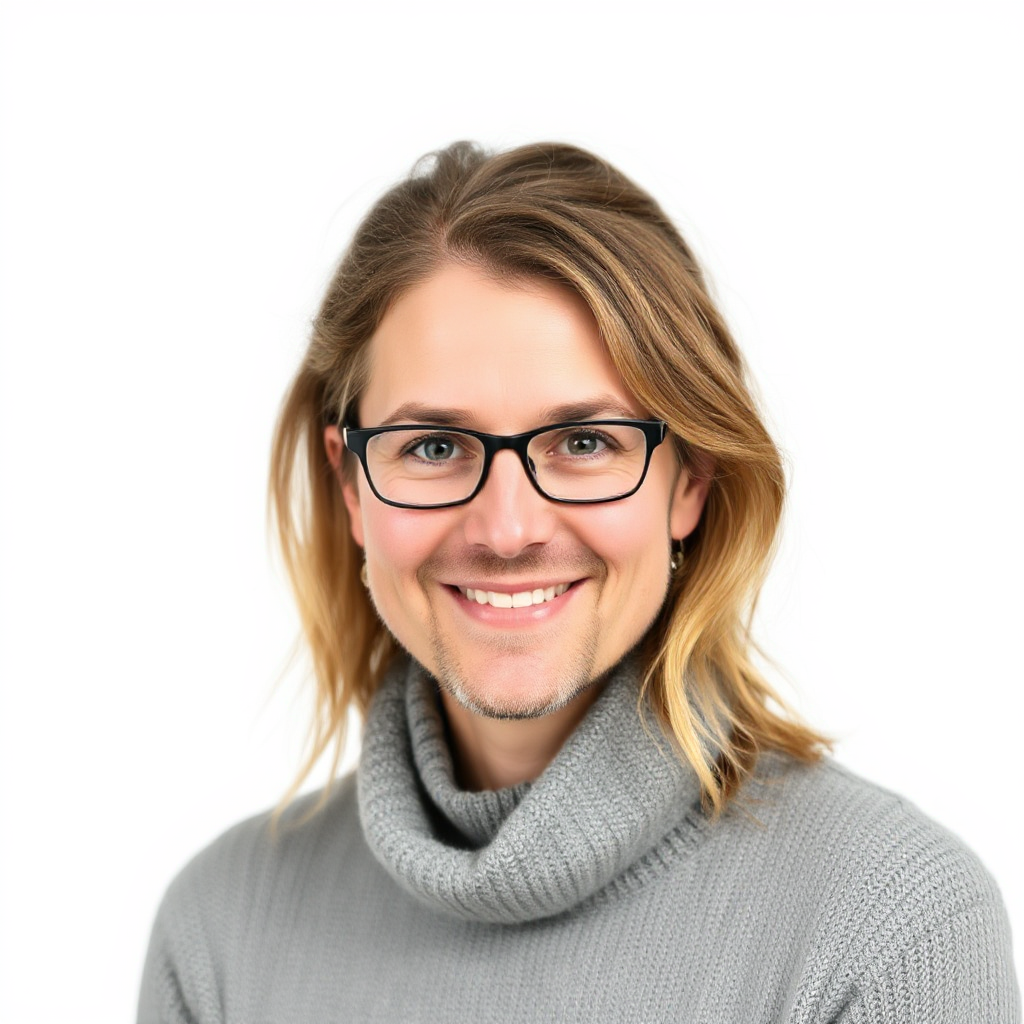
The star joins the video call and at once begins an explanation. “I can’t believe I’m late!” she states, sounding genuinely regretful. She is only a couple of minutes late, she feels compelled to justify. “My phone conversations always run long.” “Earlier calls made me late—I just can’t stop chatting!” Thankfully, during an interview, this is exactly what you want to hear. Additionally, it’s quite expected. Viewers familiar with the fearlessly queer and unapologetically crass film Bottoms—which Sennott penned with Emma Seligman and featured in with collaborator the talented actress—would understand that Sennott holds plenty to discuss, be it about identity, intimacy, or the appeal of forming a teen brawl society. Plus, once you finish the latest seasonal HBO series titled I Love LA, it becomes obvious that she carries further perspectives regarding the challenges of young adulthood (At 30, she represents a bridge for this generation, on the cusp with a knack for straddling different age groups).
Inspirations and Artistic Direction
Parallels to the iconic series Girls can’t be avoided and the actress readily acknowledges a fan, citing it alongside Sex and the City, Insecure and Atlanta as guides for I Love LA, which details the struggles of an influencer played by Odessa A’Zion and her friend and fledgling representative portrayed by Sennott. However, the most significant influence on creative vision was reserved for Entourage, that program about an emerging celebrity succeeding in a gritty LA scene (memorable line: “happiness eludes everyone but failures in this city”). Sennott began viewing it amid the pandemic, became “hooked”, and chose to put her own twist on it “targeting women and LGBTQ+ viewers”.
“I sought to highlight online platforms as the new industry, since my professional journey launched there,” she notes. The inspiration for this project came—to some extent—from firsthand, initially rocky, transition to LA and from the cosmic event, a frequently discussed event for astrology heads. This represented a time that saw her understand some big truths, work-wise and individually. “During my younger years, I was chaotic, often breaking down in public,” she recalls. “In my mid-20s, I moved to LA and got settled. And then I felt like everything started to just fall apart. “The struggles felt almost mythic in scale…”
Starting Out
Brought up in New England, the star started creating and acting stand-up while enrolled in performance at New York University (NYU) Tisch School of the Arts. “I followed traditional paths to get on stage, but nothing clicked,” she says. “Every campus humor group turned me down after tryouts.” “Theatre productions at school also didn’t accept me. “It left me questioning my purpose and place.”
She took matters into her own hands, taking the stage at live shows with Edebiri and uploading uproarious (and decidedly) unconventional skits on the internet. One, titled Baby Cult, depicted several females intensely obsessed with having babies; a different one portrayed being employed at the brand Hollister as akin to being stuck in a horror film. In a neat twist of fate, she connected with Seligman through NYU’s movie community and ultimately appearing in her first film, Shiva Baby, a tense comedy set at a Jewish wake with echoes of Uncut Gems. A recurring idea of her journey, she notes, has been people her own age offering opportunities, instead of the industry at large. So, not the gatekeepers, then? “They were not involved”, she emphasizes, stating humorously: “Our victory isn’t their goal.”
Career Breakthrough
Anyone who were skeptical regarding her then will likely be feeling foolish currently. In what she labels a “wild, full-circle” story, she has created her dream vehicle. A few years back she uploaded a clip called about Los Angeles on the internet, in which she parodied movie previews (“Substance abuse is rampant here”). Six years on, she’s the co-showrunner (with Emma Barrie) of a show about Angelenos balancing benefits of internet fame (such as celebrating at a famous actor’s house) with downsides (your friend being labeled as being a drug-addled criminal, and perhaps becoming a “brand unsafe” persona non grata). One might simple to create a show about digital influence that was overly glamorous—or, more problematic, one that punched down at those depicted. I Love LA steers clear of each, creating a portrait of advantaged millennial living that’s frank about the chaos and the glamour.
Nuanced Portrayal
“Numerous series present younger generations and digital culture in a derogatory manner,” she observes. “I think that young people have been through a lot – I’m mostly thinking of people younger than me, like my little sister, who went to college during Covid, so she had to come home, or my other sister who was doing school online.”|“The younger generation has faced significant

